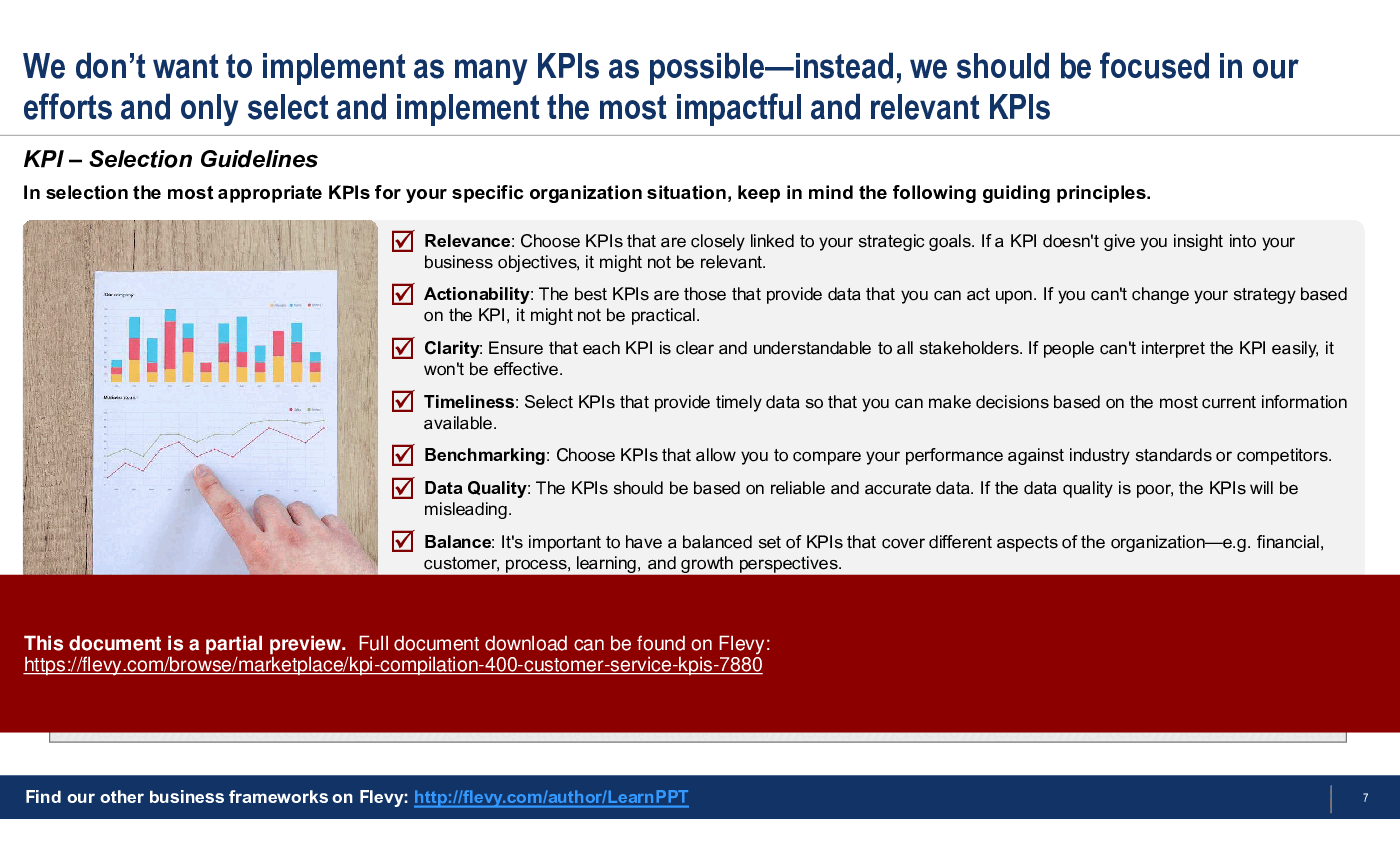

This presentation is a comprehensive collection of Key Performance Indicators (KPI) related to Customer Service. A KPI is a quantifiable measure used to evaluate the success of an organization, employee, or process in meeting objectives for performance.
KPIs are typically implemented at various levels within an organization, from the highest strategic level down to individual departments and teams. These KPIs in Customer Service help us identify inefficiencies and successes in Customer Service operations, enabling targeted strategies and improvements for Customer Experience, Service Delivery, and Cost Management.
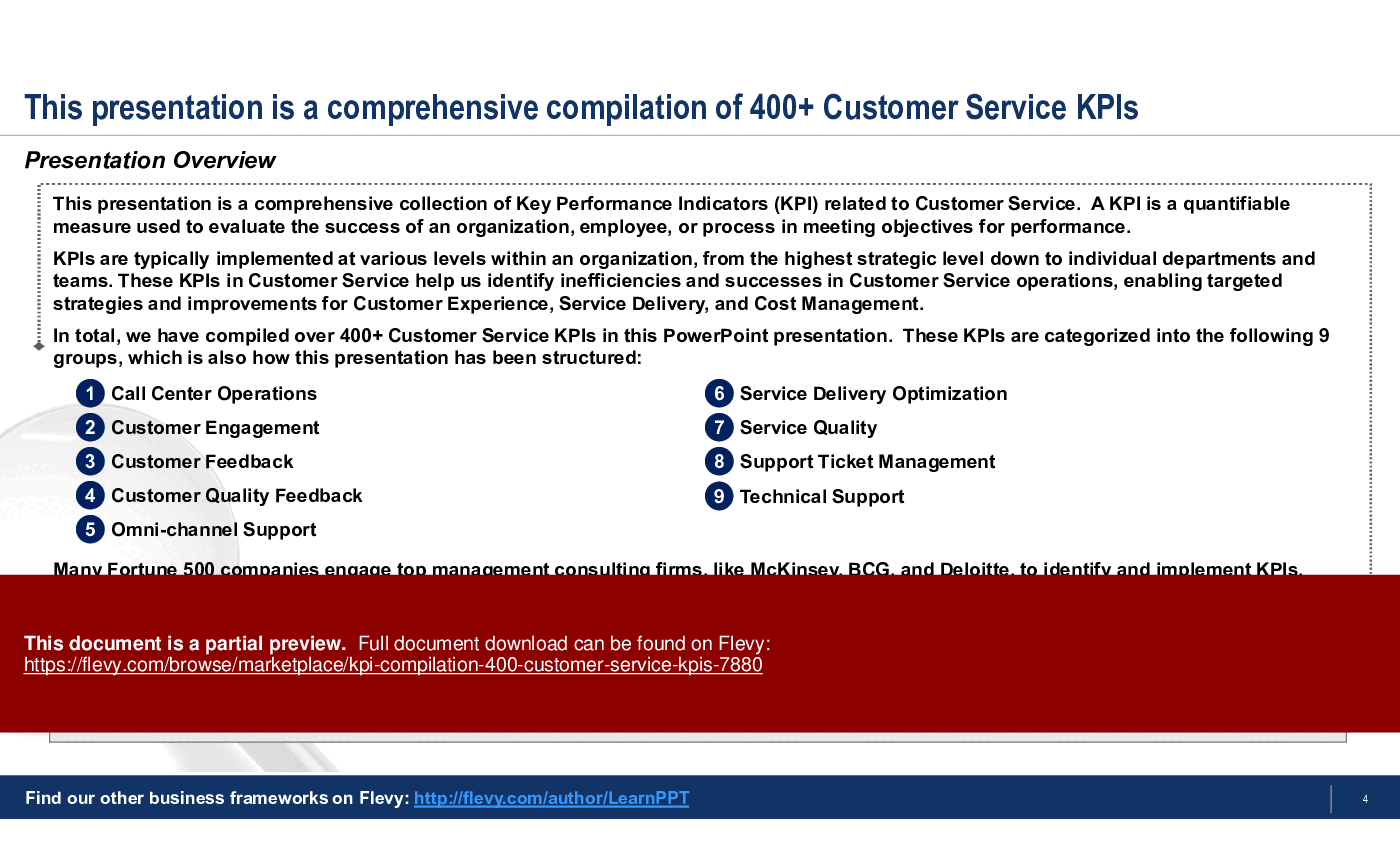
In total, we have compiled over 400+ Customer Service KPIs in this PowerPoint presentation. These KPIs are categorized into the following 9 groups, which is also how this presentation has been structured:
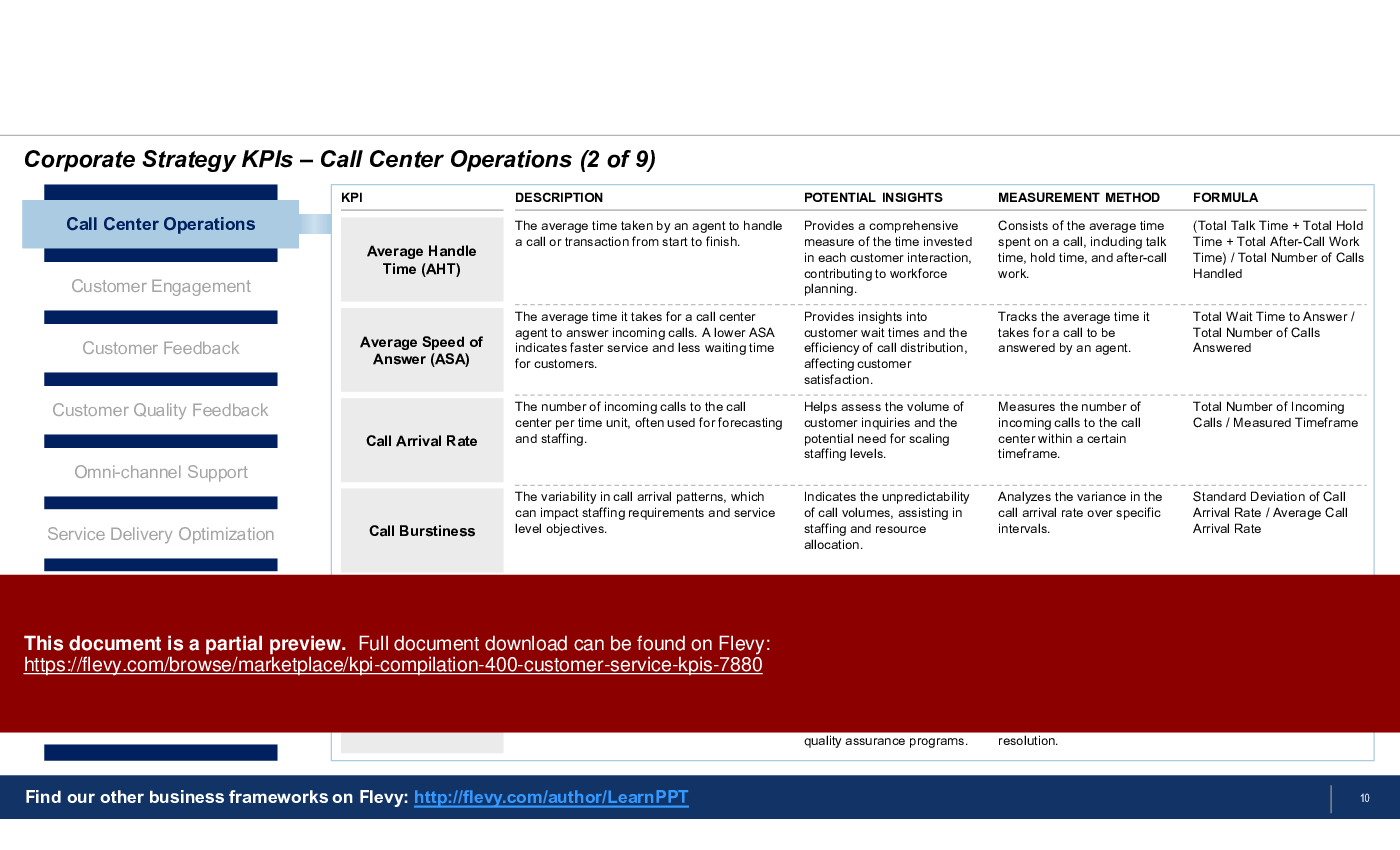
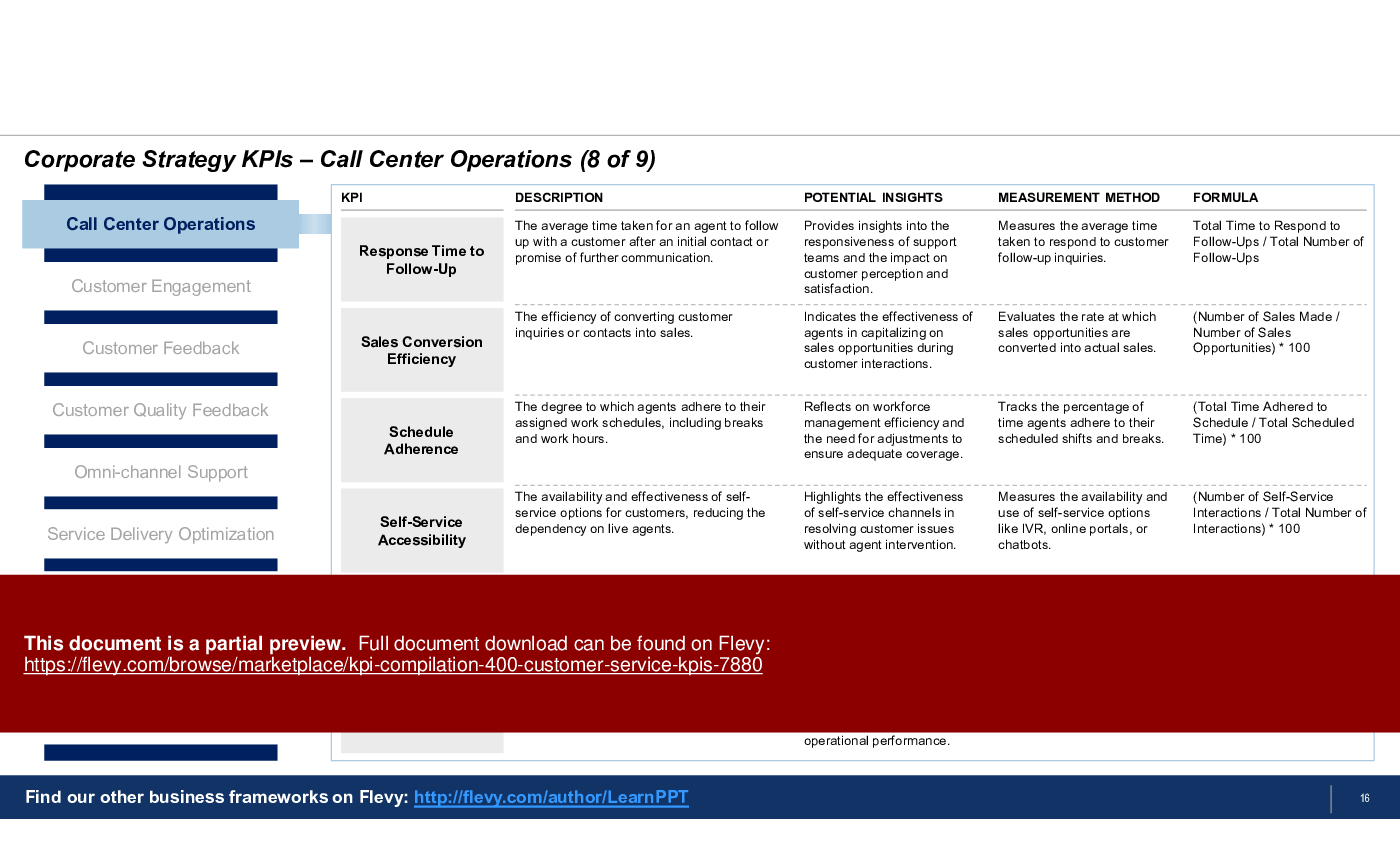
1. Call Center Operations – KPIs for call center operations provide valuable metrics on call handling efficiency, agent productivity, and service level agreements, guiding improvements for enhanced customer interactions.
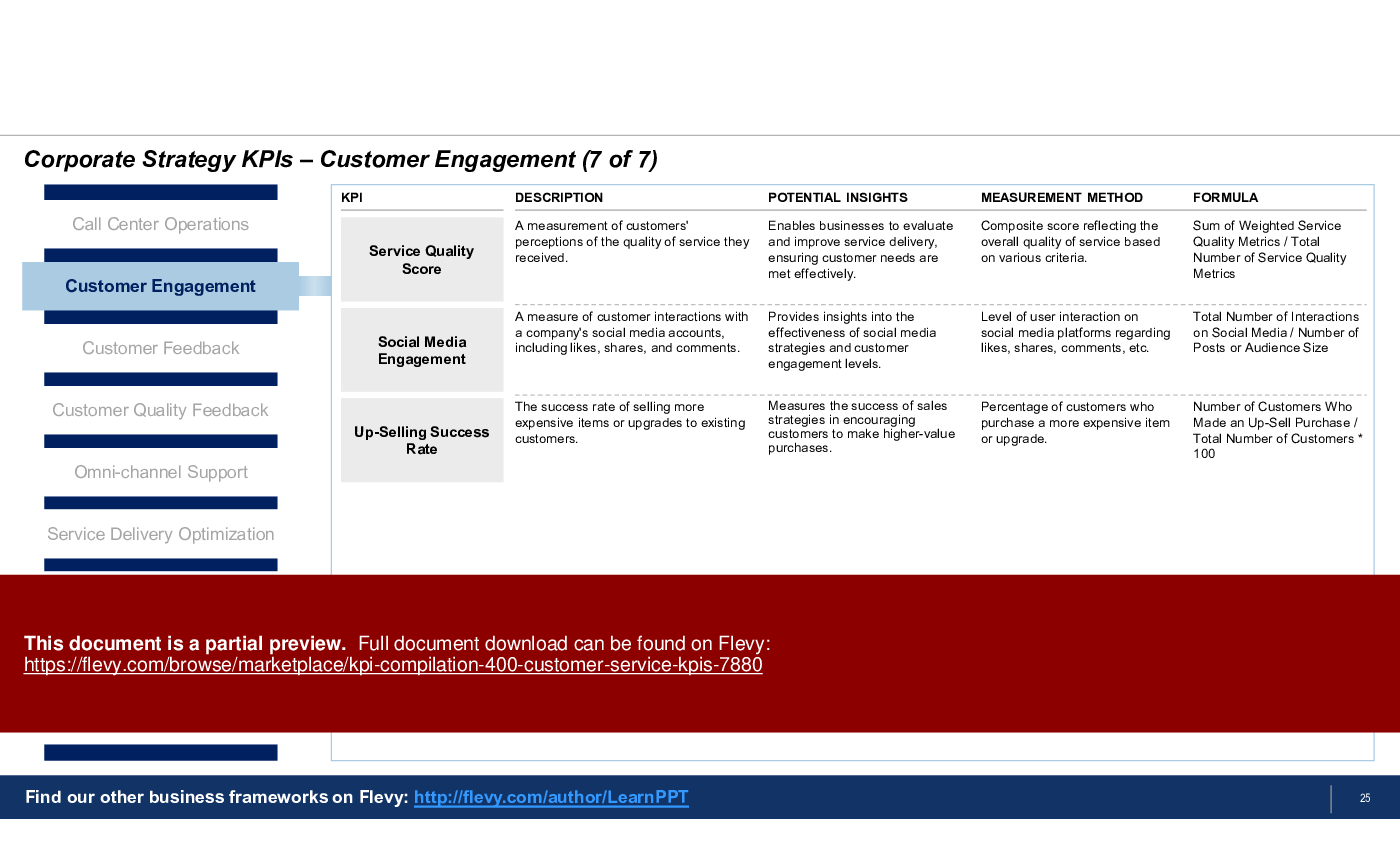
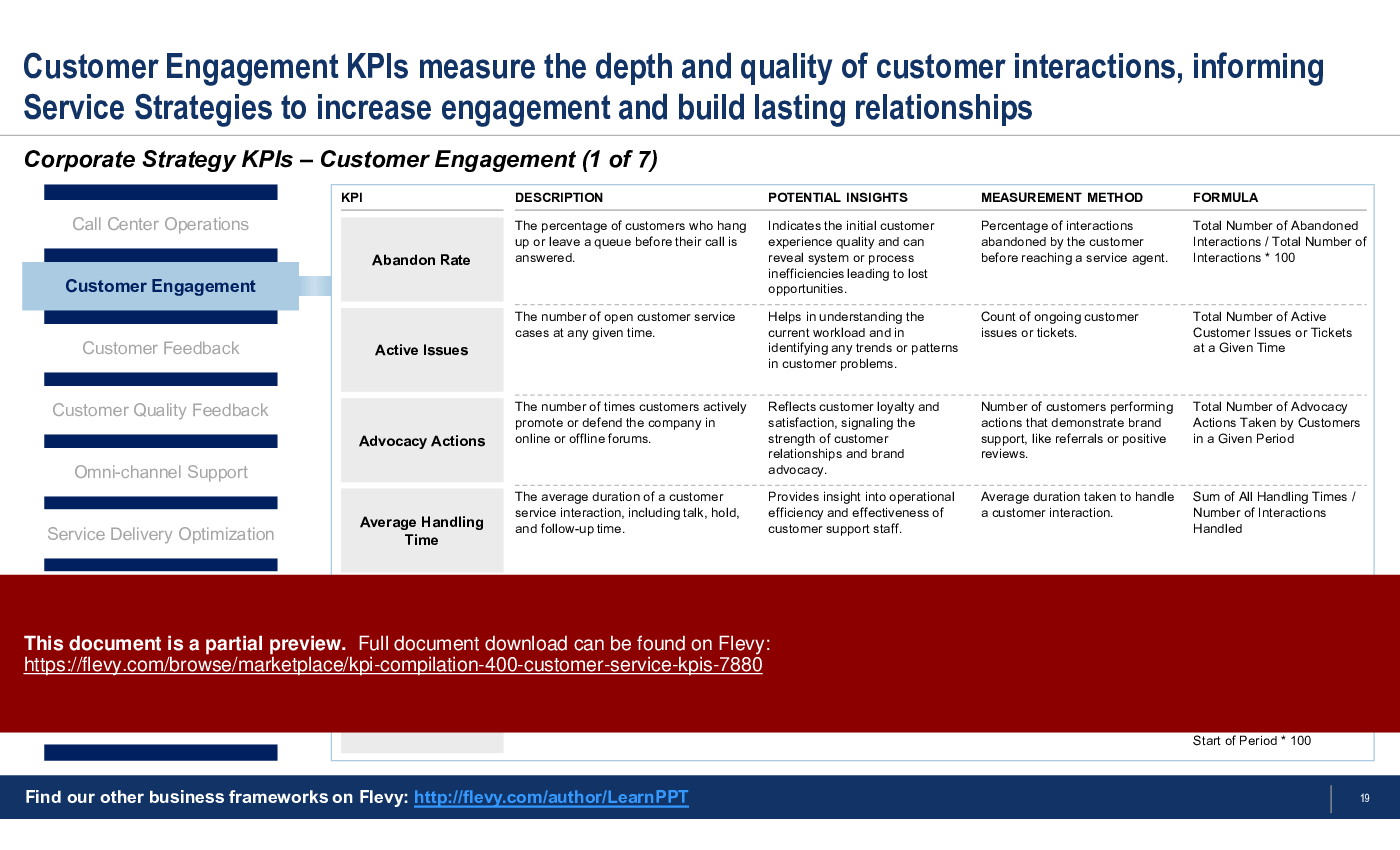
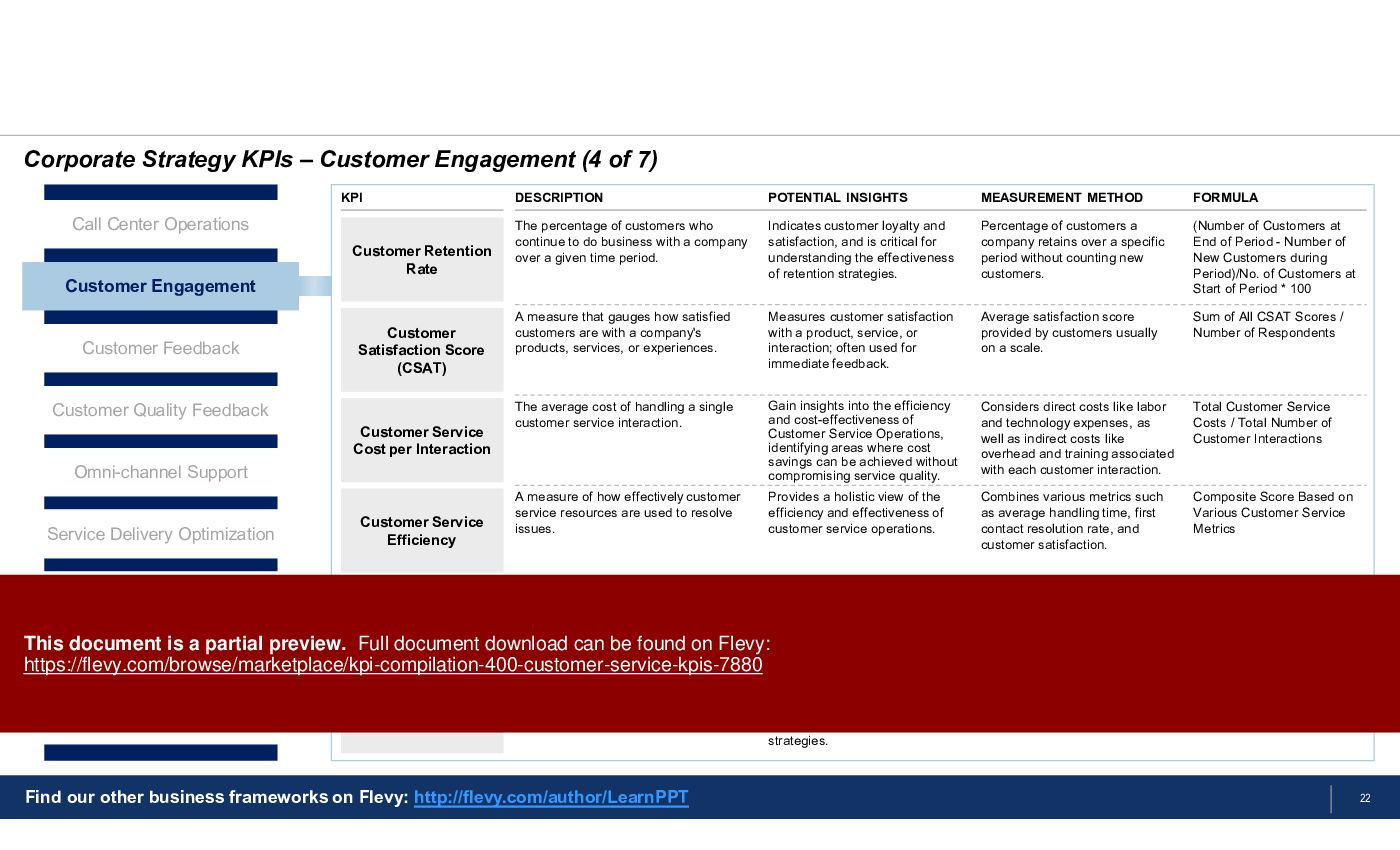
2. Customer Engagement – Customer Service KPIs measure the depth and quality of customer interactions, informing Customer Experience Strategies to increase engagement and build lasting relationships.
3. Customer Feedback – These KPIs gauge Customer Satisfaction and Customer Experience, essential for adjusting Service practices and improving Customer Retention.
4. Customer Quality Feedback – KPIs focused on quality feedback highlight areas where customer expectations are or are not being met, driving quality enhancements in service and product offerings.
5. Omni-channel Support – Omni-channel Support KPIs assess the effectiveness and coherence of customer support across various platforms, aiming for a unified and high-quality Customer Experience and Customer Journey.
6. Service Delivery Optimization – KPIs related to Service Delivery track the efficiency and effectiveness of services provided, helping to streamline processes and enhance Customer Satisfaction.
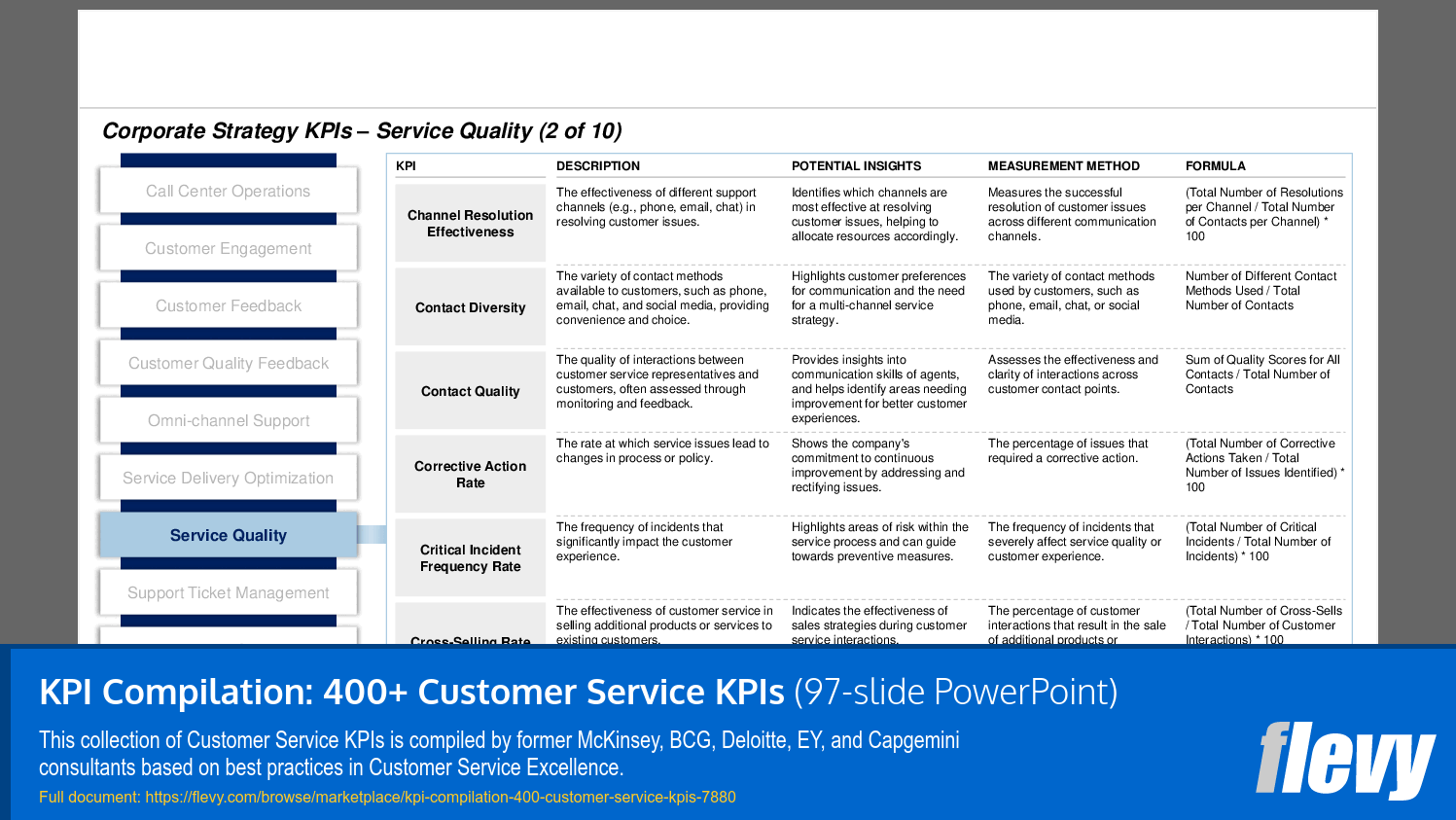
7. Service Quality – Service Quality KPIs offer insights into the perceived value of services rendered, underpinning efforts to uphold high standards of Customer Service.
8. Support Ticket Management – KPIs for Support Ticket Management help quantify the performance of support systems and teams in managing and resolving customer inquiries and issues promptly.
9. Technical Support – Technical Support KPIs measure the resolution effectiveness and technical acumen of support staff, ensuring customer issues are resolved competently and efficiently.
Many Fortune 500 companies engage top management consulting firms, like McKinsey, BCG, and Deloitte, to identify and implement KPIs, acknowledging their critical role in driving performance and strategic alignment, despite the significant investment this process entails.
This PowerPoint presentation also includes an introduction on KPIs, covering topics like KPI selection guidelines and common usages.
This PPT serves as an essential toolkit for organizations aiming to enhance their customer service metrics. With over 400 KPIs meticulously categorized, it empowers leaders to pinpoint performance gaps and drive actionable insights for continuous improvement in service delivery and customer satisfaction.
Got a question about the product? Email us at support@flevy.com or ask the author directly by using the "Ask the Author a Question" form. If you cannot view the preview above this document description, go here to view the large preview instead.
Executive Summary
This presentation compiles over 400 Customer Service Key Performance Indicators (KPIs) designed to enhance operational efficiency and service quality across various customer service functions. Developed by former consultants from leading firms such as McKinsey, BCG, and Deloitte, this resource enables organizations to benchmark their customer service performance against industry standards. The KPIs are categorized into nine groups, allowing for targeted strategies to improve customer experience, service delivery, and cost management.
Who This Is For and When to Use
• Customer Service Managers looking to optimize team performance and service quality
• Operations Executives aiming to align customer service metrics with strategic goals
• Consultants and analysts tasked with improving client customer service frameworks
• Training and Development Teams focused on enhancing agent performance and satisfaction
Best-fit moments to use this deck:
• During strategic planning sessions to align customer service objectives with business goals
• When assessing current performance metrics and identifying areas for improvement
• In training programs to educate staff on effective use of KPIs for performance management
Learning Objectives
• Define key customer service KPIs and their significance in performance measurement
• Build a comprehensive KPI framework tailored to specific organizational needs
• Establish benchmarks for customer service performance against industry standards
• Identify areas for operational improvement based on KPI analysis
• Enhance customer experience strategies through targeted KPI insights
• Foster a culture of continuous improvement by regularly reviewing and updating KPIs
Table of Contents
• Overview (page 3)
• Call Center Operations (page 8)
• Customer Engagement (page 18)
• Customer Feedback (page 26)
• Customer Quality Feedback (page 36)
• Omni-channel Support (page 45)
• Service Delivery Optimization (page 55)
• Service Quality (page 63)
• Support Ticket Management (page 74)
• Technical Support (page 86)
Primary Topics Covered
• Call Center Operations - Metrics focused on call handling efficiency, agent productivity, and service level agreements to improve customer interactions.
• Customer Engagement - KPIs measuring the depth and quality of customer interactions to enhance service strategies and build lasting relationships.
• Customer Feedback - Metrics assessing customer satisfaction and experience, critical for improving service practices and retention.
• Customer Quality Feedback - KPIs highlighting areas where customer expectations are not met, driving quality enhancements in service and product offerings.
• Omni-channel Support - Metrics evaluating the effectiveness of customer support across various platforms to ensure a unified customer experience.
• Service Delivery Optimization - KPIs tracking the efficiency and effectiveness of service delivery processes to enhance customer satisfaction.
• Service Quality - Metrics providing insights into the perceived value of services rendered, underpinning efforts to uphold high standards of customer service.
• Support Ticket Management - KPIs quantifying the performance of support systems and teams in managing and resolving customer inquiries.
• Technical Support - Metrics measuring the resolution effectiveness and technical acumen of support staff in addressing customer issues.
Deliverables, Templates, and Tools
• KPI framework templates for various customer service functions
• Benchmarking tools for comparing performance against industry standards
• Training materials for educating staff on KPI utilization
• Reporting templates for tracking and analyzing KPI performance
Slide Highlights
• Overview of KPI categories and their significance in customer service
• Detailed breakdown of call center operations KPIs, including metrics like Abandon Rate and Average Handle Time
• Insights into customer engagement metrics and their impact on service strategies
• Comprehensive analysis of customer feedback KPIs and their role in enhancing customer satisfaction
• Examination of omni-channel support effectiveness and its influence on customer experience
Potential Workshop Agenda
KPI Framework Development Session (90 minutes)
• Define the key objectives for customer service KPIs
• Identify relevant KPIs based on organizational goals
• Develop a draft KPI framework for review
KPI Analysis and Improvement Session (60 minutes)
• Review current KPI performance and identify gaps
• Discuss strategies for enhancing KPI effectiveness
• Establish a plan for regular KPI reviews and updates
Customer Experience Enhancement Workshop (90 minutes)
• Analyze customer feedback and engagement metrics
• Develop action plans for addressing identified issues
• Create a roadmap for implementing improvements based on KPI insights
Customization Guidance
• Tailor the KPI framework to align with specific organizational goals and customer service strategies
• Adjust measurement methods and formulas based on available data and reporting capabilities
• Incorporate industry benchmarks to enhance the relevance of KPIs
Secondary Topics Covered
• Governance and accountability in KPI management
• Integration of KPIs into performance management systems
• The role of technology in tracking and analyzing customer service metrics
• Best practices for fostering a KPI-driven culture within the organization
Topic FAQ
Document FAQ
These are questions addressed within this presentation.
What are KPIs and why are they important?
KPIs are quantifiable measures used to evaluate the success of an organization in meeting performance objectives. They provide insights into operational efficiency and customer satisfaction.
How can I implement these KPIs in my organization?
Begin by defining your strategic goals, then select relevant KPIs that align with those goals. Use the provided templates to develop a KPI framework tailored to your needs.
What if I don’t have the data to measure certain KPIs?
Consider adjusting your KPIs to focus on metrics that can be accurately measured with available data. Alternatively, invest in systems that can capture the necessary data.
How often should I review my KPIs?
Regular reviews are essential to ensure KPIs remain relevant and aligned with organizational goals. Consider quarterly reviews or after significant changes in business strategy.
What should I do if my KPIs indicate poor performance?
Analyze the underlying causes of poor performance and develop targeted action plans to address identified issues. Use the insights gained from KPIs to inform strategic decisions.
How can I ensure my team understands the importance of KPIs?
Provide training on the significance of KPIs and how they relate to individual roles and overall organizational success. Foster a culture of accountability and continuous improvement.
What are some common pitfalls in KPI implementation?
Common pitfalls include selecting too many KPIs, failing to align KPIs with strategic goals, and not regularly reviewing or updating KPIs based on performance data.
How can I use KPIs to improve customer satisfaction?
Analyze customer feedback and engagement metrics to identify areas for improvement. Use this data to inform strategies that enhance the overall customer experience.
What role does technology play in KPI management?
Technology can streamline the tracking and analysis of KPIs, providing real-time insights and facilitating data-driven decision-making.
Glossary
• KPI - Key Performance Indicator, a measurable value that demonstrates how effectively a company is achieving key business objectives.
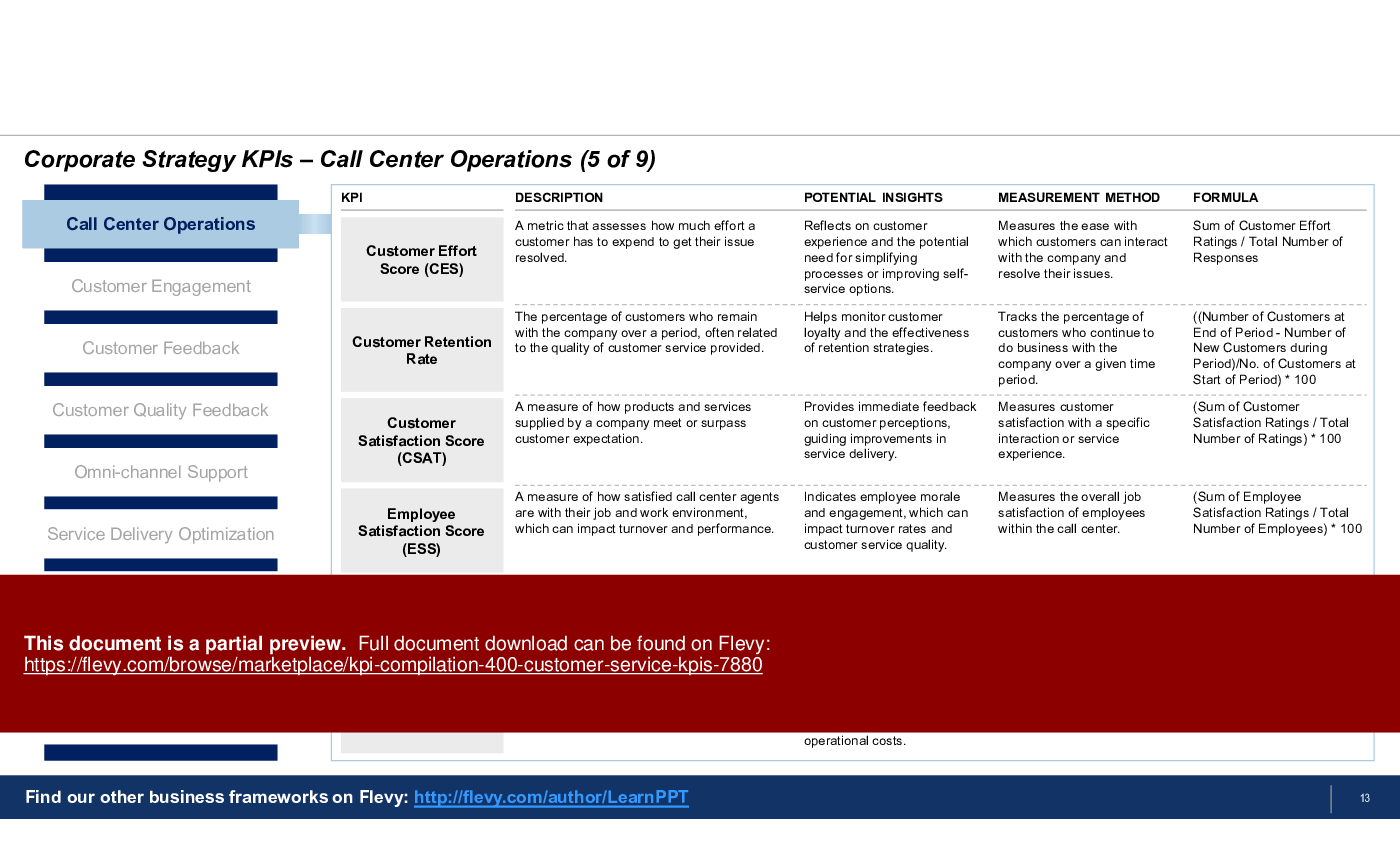
• Customer Satisfaction Score (CSAT) - A measure of customer satisfaction with a product or service, typically assessed through surveys.
• First Contact Resolution (FCR) - The percentage of customer inquiries resolved during the first interaction without the need for follow-up.
• Net Promoter Score (NPS) - A metric that assesses customer loyalty and the likelihood of customers recommending a company's products or services.
• Customer Lifetime Value (CLV) - The predicted net profit attributed to the entire future relationship with a customer.
• Service Level Agreement (SLA) - A commitment between a service provider and a customer that outlines expected service levels.

• Abandon Rate - The percentage of customers who hang up or leave a queue before being connected to an agent.
• Agent Turnover Rate - The rate at which customer service representatives leave the organization and are replaced.
• Average Handle Time (AHT) - The average duration of a customer interaction, including talk time, hold time, and after-call work.
• Customer Effort Score (CES) - A metric that measures the ease of customer interaction and resolution of their issues.
• Service Quality Index (SQI) - A composite measure of service quality based on various metrics.
• Knowledge Base Utilization Rate - The frequency at which agents use the knowledge base to resolve customer issues.
Source: Best Practices in Key Performance Indicators, Customer Service PowerPoint Slides: KPI Compilation: 400+ Customer Service KPIs PowerPoint (PPTX) Presentation Slide Deck, LearnPPT Consulting
This document is available as part of the following discounted bundle(s):
Save %!
KPI Compilation Megapack - Over 4,000+ KPIs
This bundle contains 7 total documents. See all the documents to the right.
|
Download our FREE Strategy & Transformation Framework Templates
Download our free compilation of 50+ Strategy & Transformation slides and templates. Frameworks include McKinsey 7-S, Balanced Scorecard, Disruptive Innovation, BCG Curve, and many more. |